B.A. in Communication
Develop Valuable, Dynamic Communication Skills to Compete in the 21st Century
The Communication Department at Saint Xavier University offers students the opportunity to study both mediated (electronic, print, or social media) and non-mediated (organizational, interpersonal, small group) communication within a social justice-oriented framework guided by the critical concerns of the Sisters of Mercy. The department emphasizes both theoretical knowledge and practical skills, blending strong academic preparation with real-world experience in print media, broadcast, and other communication fields. The program requirements are designed to be flexible to meet the educational interests and communication career goals of the individual student.
Why Earn Your B.A. in Communication?
Earning a bachelor's degree is the strongest indicator of economic success. Saint Xavier University offers a strong program for students interested in communication, supported by a rich history of alumni in the field and faculty with published work and presentations in respected academic journals and communication conferences.
Small classes, access to professors, the ability to start working in media through student outlets in their first semester on campus, and dynamic, high-impact experiences such as senior seminar highlight the individualized attention provided to students.
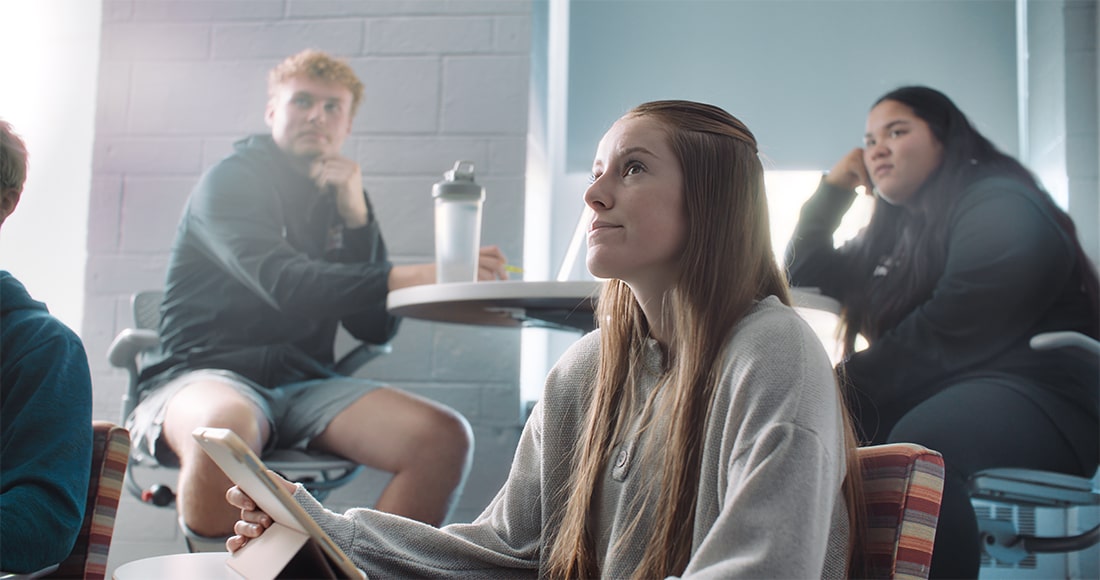
The Campus Media Center includes the newspaper offices, a visual media production studio, and the low-watt broadcast radio station. There is also a second studio for visual media production located in the Warde Academic Center.
SXU highlights high-impact practices through the AAC&U taxonomy of hips. They include first-year seminars, common intellectual experiences, learning communities, writing intensive courses, collaborative assignments and projects, undergraduate research, diversity/global learning, e-portfolios, service learning, community-based learning, internships, and capstone courses and projects.
Communication constructs the social world.
Communication is relational.
Communication is collaborative.
Communication is strategic.
Communication is symbolic.
Communication is adaptive.
Learning Outcomes:
- Describe the communication discipline and its central questions.
- Explain the origins of the communication discipline.
- Summarize the broad nature of the communication discipline.
- Categorize the various career pathways for students of communication.
- Articulate the importance of communication expertise in career development and civic engagement.
- Examine contemporary debates within the field.
- Distinguish the communication discipline from related areas of study.
- Identify with intellectual specialization(s) in the communication discipline.
- Employ communication theories, perspectives, principles, and concepts
- Explain communication theories, perspectives, principles, and concepts.
- Synthesize communication theories, perspectives, principles, and concepts.
- Apply communication theories, perspectives, principles, and concepts.
- Critique communication theories, perspectives, principles, and concepts.
- Engage in communication inquiry.
- Interpret communication scholarship.
- Evaluate communication scholarship.
- Apply communication scholarship.
- Formulate questions appropriate for communication scholarship.
- Engage in communication scholarship using the research traditions of the discipline.
- Differentiate between various approaches to the study of communication.
- Contribute to scholarly conversations appropriate to the purpose of inquiry.
- Create messages appropriate to the audience, purpose, and context.
- Locate and use information relevant to the goals, audiences, purposes and contexts.
- Select creative and appropriate modalities and technologies to accomplish communicative goals.
- Adapt messages to the diverse needs of individuals, groups and contexts.
- Present messages in multiple communication modalities and contexts.
- Adjust messages while in the process of communicating.
- Critically reflect on one's own messages after the communication event.
- Critically analyze messages
- Identify meanings embedded in messages.
- Articulate characteristics of mediated and non-mediated messages.
- Recognize the influence of messages.
- Engage in active listening.
- Enact mindful responding to messages.
- Demonstrate the ability to accomplish communicative goals (self-efficacy).
- Identify contexts, situations and barriers that impede communication self-efficacy.
- Perform verbal and nonverbal communication behaviors that illustrate self-efficacy.
- Articulate personal beliefs about abilities to accomplish communication goals.
- Evaluate personal communication strengths and weaknesses.
- Apply ethical communication principles and practices.
- Identify ethical perspectives.
- Explain the relevance of various ethical perspectives.
- Articulate the ethical dimensions of a communication situation.
- Choose to communicate with ethical intention.
- Propose solutions for (un)ethical communication.
- Evaluate the ethical elements of a communication situation.
- Utilize communication to embrace difference.
- Articulate the connection between communication and culture.
- Recognize individual and cultural similarities and differences.
- Appreciate individual and cultural similarities and differences.
- Respect diverse perspectives and the ways they influence communication.
- Articulate one's own cultural standpoint and how it affects communication and worldview.
- Demonstrate the ability to be culturally self-aware.
- Adapt one's communication in diverse cultural contexts.
- Influence public discourse
- Explain the importance of communication in civic life.
- Identify the challenges facing communities and the role of communication in resolving those challenges.
- Frame local, national and/or global issues from a communication perspective.
- Evaluate local, national and/or global issues and from a communication perspective.
- Utilize communication to respond to issues at the local, national, and/or global level.
- Advocate a course of action to address local, national and/or global issues from a communication perspective.
- Empower individuals to promote human rights, human dignity and human freedom.
- Saint Xavier University combines classroom learning with experiential learning to produce well-rounded graduates.
- Students can develop journalism and production skills through working for student media, writing for The Xavierite or The Bell, our online campus newspaper and magazine, or hosting shows for WXAV, our campus radio station.
- Our faculty have expertise in communication and create challenging courses that are interactive and student-focused.
- Small class sizes allow for close interaction with your professors and student colleagues.
- The program provides many opportunities for you to receive credit for professional internships in Chicago, Washington, D.C., and throughout the nation.
- You will develop a habit of lifelong learning that will prepare you for the ever-changing communication professions.
- With core values of service, integrity and excellence exemplified throughout campus, you will become a more effective citizen and an asset to your community.
Students minoring in communication will develop both the knowledge and skills to prepare, deliver and evaluate messages in a professional setting. ln addition, students will study interpersonal and small group communication, cross-cultural communication, mass communication and persuasion, examining their role in businesses, government agencies, hospitals, schools and other groups. A communication minor would make an excellent addition to any major and would be especially beneficial for majors in business, English and the sciences.
Minor Requirements
Please review the program requirements and course descriptions in the SXU Academic Catalog for more detailed information.
Contact the Office of Admission
- 773-298-3050
- Toll Free: 844-GOTO-SXU (844-468-6798)
- Fax: 773-298-3076
- Email: admissionFREESXU
- M-F: 8:30 a.m. to 4:30 p.m.
Quick Links
Request Information
Want to know more about undergraduate programs at Saint Xavier University? Please fill out the form below!
Other Communication Programs
View other programs in the Communication Department.


WXAV
Check us out!
Take a listen to us across different platforms:
- Listen to the previous Summer Camp podcasts on SoundCloud.
- Listen to WXAV's podcasts over on Spotify
- Check out WXAV's podcasts on SoundCloud.
- Visit the WXAV website today!
Focuses
Choose one of three focuses to earn your degree!



students share their experience while in the program
Spencer Mosher '26
Jotham Israel '25
Vanessa Orlando '25
SXU offers a supportive community that will set you up to be the main character in any field of study and help you connect with industry leaders and fellow aspiring peers and push you to grow in a way that, to me, is incomparable. At SXU, you can be a trailblazer, and when you set your eye on an end goal, the University is here to back you up and support you.

alumni testimonial
"The opportunities and training I have received are unmatched, and I am being well-prepared for a future career in the radio industry. I have been very involved on campus, serving as program and music director of WXAV 88.3 FM, the on-campus radio station, a student-athlete on SXU's Dance Team, a Schmitt Scholar, and a member of Lambda Pi Eta, the National Communication Association's honor society. My professors made it easy to manage my studies and excel in my extracurricular activities."
I served as the sports director at WXAV, SXU’s student-run radio station, and my partnership enabled me to work with the Windy City Thunderbolts on broadcasting. Throughout my time, I have learned a lot about my character and enjoyed making my presence felt at a smaller school.

Alumni testimonial
“SXU is a great place to go for an individualized learning experience, and help is everywhere. SXU not only gave me a degree and great college experience but also my current job. As a freshman admission counselor, I am able to give back to students by helping them learn all about the University.”
SXU was the place that gave me purpose in my career and allowed me to pursue all my passions. I was heavily involved with Student Media, serving as a radio show host at WXAV 88.3 FM and a featured reporter for SXU’s student newspaper, The Xavierite. It was a highlight as I was able to combine my passions for writing, music, and people in one place.

This program has provided me with a strong sense of collaboration, allowing me to work with others while also applying the knowledge that I have gained from courses. The support from the professors and peers has been invaluable. They are always willing to provide guidance, no matter if it’s about coursework, career advice, or internship opportunities.

interim department chair
Brad Mello
Interim Communication Department Chair
Phone: 773-298-3372
Email: melloFREESXU
Meet the Faculty
Allen Babiarz-Lira
Adjunct Faculty
Phone: 773-298-3428
Email: babiarzlira@sxu.edu
Vincent Davis
Senior Lecturer
Phone: 773-298-3097
Email: vdavis@sxu.edu
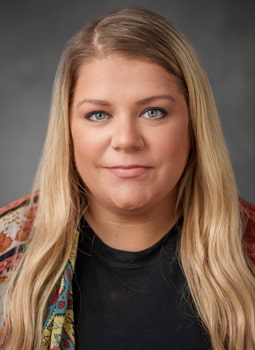
Catherine Denny
Lecturer
Phone: 773-298-3428
Email: denny@sxu.edu

Cyndi Grobmeier
Dir. - Faculty Development
Phone: 773-298-3162
Email: grobmeier@sxu.edu

Peter Kreten
Director of Student Media
Phone: 773-298-3375
Email: pkreten@sxu.edu
Brad Mello
Professor / Chair
Phone: 773-298-3372
Email: mello@sxu.edu
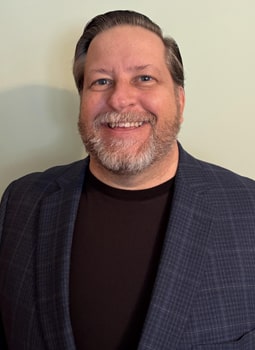
Russell Schultz
Adjunct Faculty
Phone:
Email: rschultz@sxu.edu
Featured Alumni
Miryam Villareal, Alumna, Class of 2017
"Last year, I began working as a multimedia journalist and producer at a Noticias WINK, a local Spanish news station in Fort Myers, Florida. I was reporting out in the field the most current news by shooting, writing, interviewing and editing my own packages. After a year, I was promoted and named main anchor. I also began working on our local morning radio show at 96.9 WINK FM, as a radio on-air traffic anchor. There's a lot of multitasking involved in my jobs, and Saint Xavier University definitely helped me prepare for it. The classes I attended made me learn how to do comprehensive research, how to work in a team and by myself, specially during my senior year were I produced my own documentary. Today I look back and appreciate my professors encouragement to strive for more and not limit my dreams. After many job applications and rejections I finally achieved my dream job. I remember Saint Xavier with joy, and will forever be thankful with the school and staff."