Graduate Certificates in Exercise Science
ADVANCING KNOWLEDGE FOR PEAK ATHLETIC PERFORMANCE
The graduate certificates are ideal for students who may not require or be able to commit to a full master's degree. Students can choose from one of three certificates: strength and conditioning, applied sport science, or sport coaching. Each certificate program is offered 100% online, tailored to the knowledge and demands of the specific area, and focuses on developing and enhancing scientifically grounded competencies and evidence-based practice.
The Graduate Certificate in Strength and Conditioning provides a focused curriculum that equips current and aspiring coaches with scientifically grounded competencies in physiological principles, program design, athlete monitoring, and evidence-based practice, and prepares the student for the National Strength and Conditioning Association (NSCA) certification exam. The Graduate Certificate in Applied Sport Science is ideal for individuals working with athletes who want to implement technology, sport science, and data-driven decision-making into the sports setting. It also prepares the student for the NSCA Certified Performance and Sport Scientist exam. The Graduate Certificate in Sport Coaching provides current and prospective coaches with access to graduate-level education that strengthens competencies in motor learning, sport psychology, skill acquisition, athlete development, program planning, and effective communication and leadership. Learn more about each certificate below.
Format
OnlineCredit Hours
9 to 12 Credit Hours*Depending on certificate
Additional Requirements
Bachelor's DegreeThe growth of data-driven decision-making in sport has created a clear need for professionals who can do more than collect numbers -- they must understand, analyze, and apply them. Modern sports programs rely on technologies such as GPS tracking, force platforms, and athlete monitoring systems. Yet, many coaches and practitioners have limited formal training in research methods, statistics, and evidence-based interpretation. The Graduate Certificate in Applied Sport Science is designed to close that gap.
This program equips students to evaluate sport science research critically, design applied studies, and collect and analyze physiological and performance data using contemporary technology and analytical approaches. A culminating applied project allows students to implement these skills in a real-world setting, strengthening the connection between research and daily practice.
The certificate is ideal for strength and conditioning coaches, sport coaches, athletic
trainers, physical educators, exercise physiologists, and performance analysts who
want advanced analytical skills without committing to a full graduate degree. As a
stackable credential, it supports evidence-informed decision making in athlete development,
training load monitoring, performance evaluation, and injury prevention - and can
seamlessly lead into a master's degree.
The coursework includes the following 12 credits:
Fall I: EXSCG 425 (Research Methods and Applied Statistics)
Fall II: EXSCG 505 (Advanced Applied Physiology)
Spring I: EXSCG 600 (Applied Sport Science Project)
Spring II: EXSCG 601 (Applied Sport Science Project)
The demand for highly qualified strength and conditioning professionals continues to grow across scholastic, collegiate, private-sector, and tactical performance settings. As sport becomes increasingly data-driven and performance expectations rise, practitioners must possess advanced knowledge that goes beyond undergraduate preparation. A Graduate Certificate in Strength and Conditioning provides a focused, graduate-level curriculum that equips current and aspiring coaches with scientifically grounded competencies in physiological principles, program design, athlete monitoring, and evidence-based practice.
This certificate addresses a clear workforce need. Many professionals -- such as physical educators, personal trainers, sport coaches, athletic trainers, and exercise science graduates -- seek advanced strength and conditioning expertise but may not require or be able to commit to a full master's degree. A certificate offers an efficient, flexible pathway for upskilling while maintaining rigor aligned with industry standards. It prepares the individual to pass the National Strength and Conditioning Association (NSCA) Certified Strength & Conditioning Specialist (CSCS) exam.
A Graduate Certificate in Strength and Conditioning provides a focused, graduate-level curriculum that equips current and aspiring students and practitioners with scientifically grounded competencies in physiological principles, program design, athlete monitoring, and evidence-based practice. This certificate offers an efficient pathway, starting in January and finishing in June, for upskilling and preparing the student to pass the National Strength and Conditioning Association (NSCA) Certified Strength and Conditioning Specialist examination.
The coursework includes the following 9 credits:
Spring I: EXSCG 515 (Advanced Strength and Conditioning)
Spring II: EXSCG 550 (Advanced Recovery and Regeneration)
Summer I: EXSCG 590 (Application of Strength and Conditioning Principles)
The landscape of sport is rapidly evolving, and with it, the need for well-prepared, evidence-based coaches who can lead and enhance teams and athletic programs at all levels. Although many coaches enter the profession with strong sport-specific experience, research consistently shows that high-quality coaching requires formal training in areas such as motor learning, sport psychology, skill acquisition, athlete development, program planning, and effective communication and leadership. A Graduate Certificate in Sport Coaching provides current and prospective coaches with access to graduate-level education that directly strengthens these competencies.
This certificate serves a broad audience -- including teachers, club coaches, former athletes, community sport leaders, and early-career professionals -- who seek to advance their coaching knowledge but may not be able to commit to a full graduate degree. The certificate offers an efficient, focused academic pathway that aligns with national coaching standards (e.g., National Standards for Sport Coaches). It also addresses a well-documented gap in formal coach education across youth, scholastic, and community sport systems. Finally, offering a Graduate Certificate in Sport Coaching supports institutional goals by expanding professional development opportunities, strengthening partnerships with schools and sport organizations, and providing a stackable credential that may articulate into a full master's degree. The certificate promotes lifelong learning for coaches and elevates the overall quality of coaching within the sport ecosystem. Students complete the program from May through August or October.
A Graduate Certificate in Sport Coaching provides current and prospective coaches with access to graduate-level education that directly strengthens key competencies in areas such as motor learning, sport psychology, skill acquisition, athlete development, program planning, and effective communication and leadership. The certificate offers an efficient, focused academic pathway that aligns with national coaching standards (e.g., National Standards for Sport Coaches).
The coursework includes 9 credits:
Summer I: EXSCG 540 (Advanced Coaching Practices)
Summer II: EXSCG 400 (Leadership and Ethics)
One of the following:
Summer II: EXSCG 580 (Motor Development and Skill Acquisition)
-or-
Fall I: EXSCG 405 (Psychology of Exercise and Sport Performance)
About the Certificates
We utilize high-impact educational practices to enhance engagement, application, feedback, and professional identity formation. This includes: content knowledge mapped to NSCA certification exams, applied projects, data literacy, case studies, monthly meet-ups/Q&A with the experts, and professional communication training.
Overall, the core design principle is: Students should repeatedly analyze real athletes, real data, and real problems -- and defend their decisions using evidence.
The learning objectives and assessments are specific to each of the certificates.
Saint Xavier University's Exercise Science programs combine rigorous academics with real-world application to prepare students for careers in performance, health, and rehabilitation. Grounded in evidence-based practice and leadership, the curriculum develops critical thinking, research literacy, and professional decision-making skills that translate directly to athlete development and wellness settings.
Applied Sports Science
Fall I: EXSCG 425 (Research Methods and Applied Statistics)Fall II: EXSCG 505 (Advanced Applied Physiology)
Spring I: EXSCG 600 (Applied Sport Science Project)
Spring II: EXSCG 601 (Applied Sport Science Project)
Strength and Conditioning
Spring I: EXSCG 515 (Advanced Strength and Conditioning)Spring II: EXSCG 550 (Advanced Recovery and Regeneration)
Summer I: EXSCG 590 (Application of Strength and Conditioning Principles)
Sport Coaching
Summer I: EXSCG 540 (Advanced Coaching Practices)Summer II: EXSCG 400 (Leadership and Ethics)
One of the following:
Summer II: EXSCG 580 (Motor Development and Skill Acquisition)
-or-
Fall I: EXSCG 405 (Psychology of Exercise and Sport Performance)
Contact the Office of Admission
- 773-298-3050
- Toll Free: 844-GOTO-SXU (844-468-6798)
- Fax: 773-298-3076
- Email: admissionFREESXU
- M-F: 8:30 a.m. to 4:30 p.m.
Quick Links
Request Information
Want to know more about Master of Science in Exercise Science
program at Saint Xavier University? Please fill out the form below!
Director of Graduate Exercise Science

Joe Eisenmann
Director of Graduate Exercise Science
Phone: 773-298-3625
Email: eisenmannFREESXU
Meet the Full-Time Faculty

Joe Eisenmann
Assoc Prof\Chair
Phone: 773-298-3625
Email: eisenmann@sxu.edu
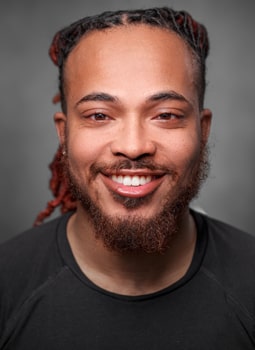
Jatrele Irons
Field Experience Coordinator
Phone: 773-298-3626
Email: irons@sxu.edu
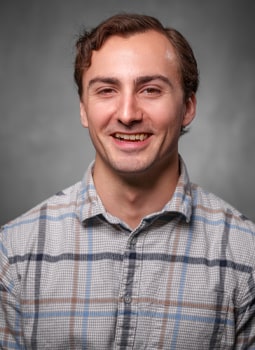
Eric Krasich
Assistant Professor
Phone: 773-298-3628
Email: krasich@sxu.edu

Anne Kuziela
Program Manager
Phone: 773-298-3813
Email: eastmankuziela@sxu.edu
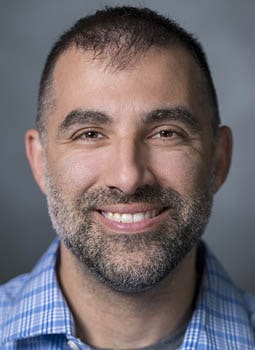
Brad Leshinske
Divisional Director
Phone: 773-298-3720
Email: leshinske@sxu.edu

Josemaria Mitra
Lecturer
Phone: 773-298-3626
Email: mitra@sxu.edu